
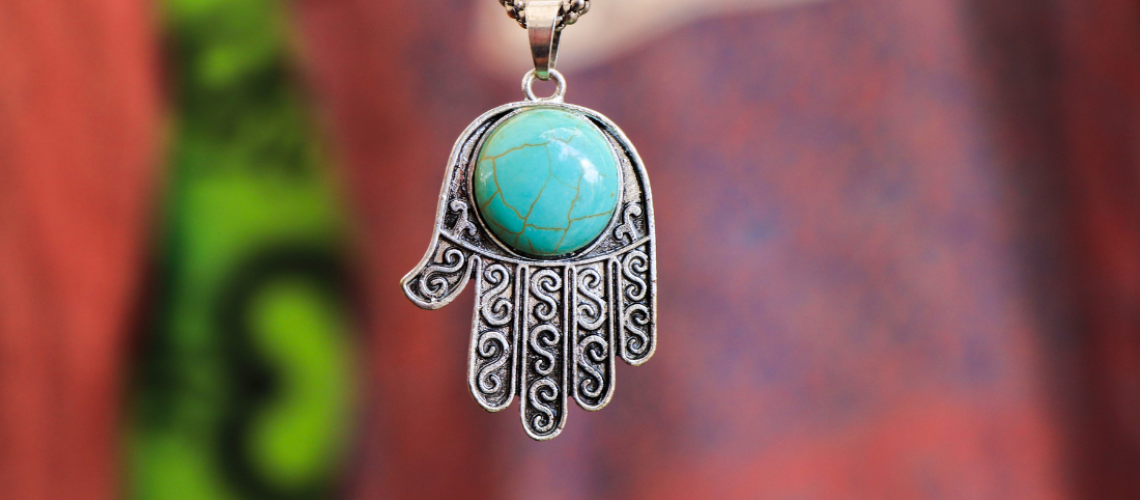
The Hamsa necklace is a popular jewelry piece with its roots in the Middle East and North Africa. The Hamsa is a palm-shaped amulet believed to protect against the “evil eye” and bring good luck to the wearer. The amulet is often depicted with an eye in the center, which is said to watch over the wearer and protect them from harm.
The Hamsa necklace is a versatile accessory for both men and women. The necklace is available in various materials, including gold, silver, and leather, and can be adorned with precious stones or intricate designs. The Hamsa hand is also a prominent feature in Hinduism and Buddhism and is associated with the five senses and chakras.
The Hamsa necklace has gained popularity in recent years, not only for its aesthetic appeal but also for its spiritual significance. The necklace has become a symbol of protection, good fortune, and positive energy. The Hamsa necklace is a beautiful and meaningful accessory, whether worn as a fashion statement or for its spiritual significance.

What Is a Hamsa Necklace?
A Hamsa necklace is a piece of jewelry that features the Hamsa symbol, also known as the Hand of Fatima or Hand of Miriam. The Hamsa is an ancient symbol used for centuries across various cultures and belief systems. Recently, it has become a popular fashion statement and a symbol of protection in mainstream culture.
What Celebrities Wear the Hamsa Necklace?

According to various sources, including a Daily Mail article, the Hamsa symbol is popular among celebrities such as Madonna, Gwyneth Paltrow, Jennifer Aniston, Heidi Klum, Goldie Hawn, and A-ha singer Morten Harket. I recently saw a gorgeous gold and diamond Hamsa necklace around the neck of Mike Gillislee, NFL player, when I was watching Selling Tampa on Netflix. The Hamsa symbol’s popularity in mainstream culture can be attributed to its association with protection and good luck.
The issue of whether wearing the Hamsa symbol is considered cultural appropriation is a topic of debate. According to an article on Cultural Appropriation, the Hamsa is a meaningful symbol, and it can be culturally insensitive to wear it without knowing what the symbol means. However, the article also suggests that anyone can wear the Hamsa regardless of their faith or beliefs. It is important to be respectful and mindful of the cultural significance of symbols and to avoid appropriating them for fashion or other purposes without understanding their meaning. Ultimately, whether wearing the Hamsa is considered cultural appropriation depends on the context and the intentions of the person wearing it.
Meaning and Symbolism of the Hamsa Hand
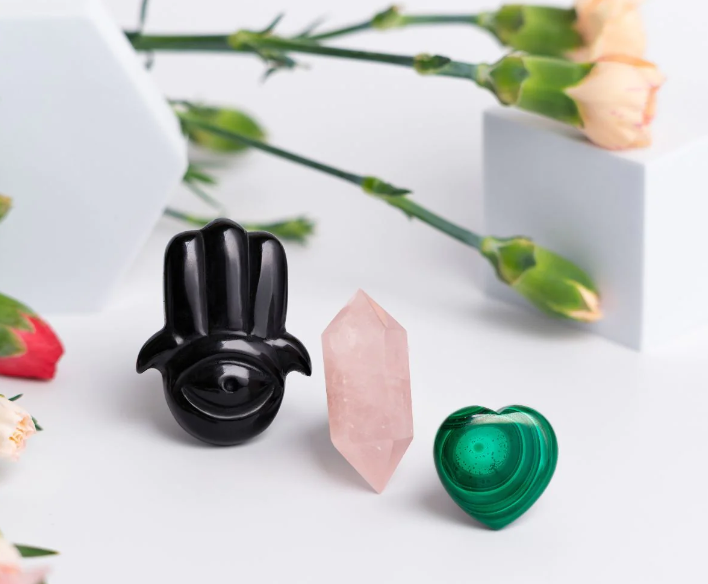
The Hamsa hand symbol is a universal sign of protection and is believed to ward off evil spirits and the evil eye curse. The open right hand is believed to represent a hand of protection, while the eye symbol in the palm is believed to offer protection against negative energies. The Hamsa hand is also associated with positive energy, happiness, and good fortune.
Variations of the Hamsa Symbol
The Hamsa symbol can be found in various designs and styles, including bracelets, pendants, and hand necklaces. It is often made of precious metals such as gold or sterling silver and adorned with semi-precious stones. The Hamsa hand can be depicted in different ways, with some designs featuring the fingers of the Hamsa hand pointing up while others feature the fingers pointing down.
Hamsa hand is commonly used in jewelry and home decor items. It is also used as an amulet for good luck and protection against negative forces such as the evil eye. The Hamsa hand is a symbol found in many cultures and religions, and each ascribes a slightly different meaning. In Buddhism and Hinduism, the five fingers of the Hamsa hand represent each of the five chakras, which align with the five senses to clear the mind and body.

Hamsa Jewelry Collection
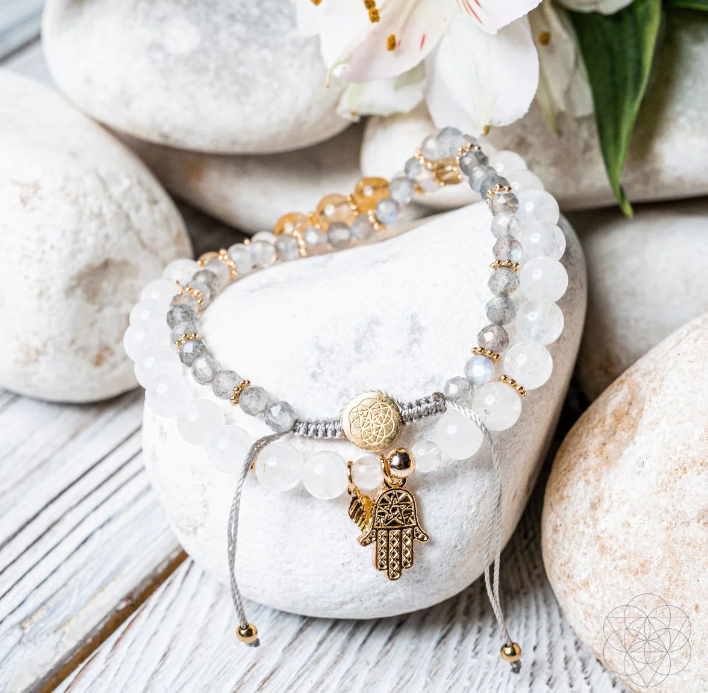
Hamsa jewelry is a beautiful symbol of protection and has a long history of cultural significance. It is a decorative element that anyone can wear, regardless of their religion or belief system. Hamsa necklaces, bracelets, and pendants are available in various designs and styles, making it easy to find a piece that fits your personal style. To keep your Hamsa jewelry looking its best, it is recommended to clean it regularly with a jewelry cleaner.
The Hamsa necklace is a powerful symbol with various meanings across different cultures and belief systems. It is a popular piece of jewelry that can offer its owner happiness, protection, and good fortune. Whether you wear it for its cultural significance or as a fashion statement, the Hamsa necklace is a beautiful and meaningful addition to any jewelry collection.
Hamsa Home Decor
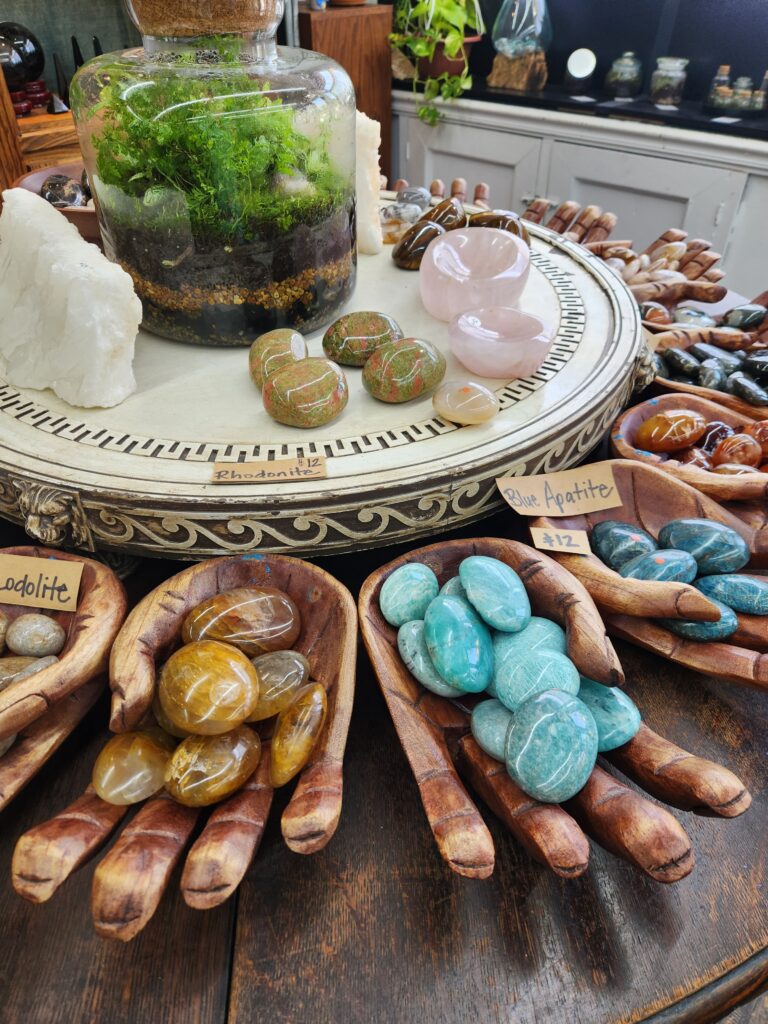
The Hamsa hand is commonly used in home decor as a wall hanging, tapestry, or sculpture. It is often incorporated into decorative items such as pillows, rugs, and curtains. The Hamsa hand is also used as a design element in door knockers, cabinet handles, and other hardware. It is sometimes used as a motif in tableware, such as plates and bowls. Some furniture designers incorporate the Hamsa hand into their designs as a protective and decorative element.
History of the Hamsa Symbol
The Hamsa symbol, also known as the Hand of Fatima, the Hand of Miriam, or the Hand of God, is a popular amulet that is believed to provide protection and ward off evil spirits. The symbol is widely used in different cultures and religions, including Judaism and Islam. This section will explore the origins and spread of the Hamsa symbol and its significance in Jewish and Islamic traditions.
The Hamsa symbol has deep roots in various cultures, including ancient Mesopotamia, where it was used as a protective amulet. It has also been associated with the Pillars of Islam and is considered a symbol of the Hand of God in Jewish tradition. The Hamsa is also a symbol of the Hand of Mary, the sister of Moses, in Christian tradition.
The Hamsa hand is used by various cultures and religions worldwide, including Jews, Muslims, Christians, Hindus, and Buddhists. It symbolizes protection, good luck, and blessings, and is believed to ward off evil spirits and the “evil eye”. The Hamsa hand has become a popular decorative element in modern times. It is used by people of all backgrounds and beliefs, including those who delve into the metaphysical realm.
Ancient Origins of Hamsa Symbol
The Hamsa symbol has a long and rich history that can be traced back to ancient Mesopotamia. The ancient Babylonians and Assyrians used the symbol as a protective amulet, and it was also popular among the ancient Egyptians. In ancient Egyptian mythology, the Hamsa symbol represented the goddess Isis, who was believed to protect women and children.
Spread of the Hamsa Symbol
The Hamsa symbol spread throughout the Middle East during the Middle Ages and became a popular amulet in Jewish and Muslim cultures. The symbol was also used by Christians and was known as the Hand of Mary.
Hamsa Symbol in Jewish Tradition
In Jewish tradition, the Hamsa symbol is known as the Hand of Miriam and is believed to represent the five pillars of Islam. The symbol is also associated with the Hebrew word “hamesh,” which means five, and it is believed to provide protection and bring good luck.
The Hamsa symbol is a popular amulet in Jewish communities, particularly in the United States. It is often worn as a necklace or bracelet and is believed to provide protection and ward off evil spirits.
Hamsa Symbol in Islamic Faith
In the Islamic faith, the Hamsa symbol is known as the Hand of Fatima and is believed to represent the five pillars of Islam. The symbol is also associated with the Prophet Muhammad’s daughter, Fatima, and is believed to provide protection and ward off evil spirits.
The Hamsa symbol is a popular amulet in Muslim culture and is often used in jewelry and home decor. It is believed to provide protection and bring good luck to the wearer.